
Give every cabinet a routine
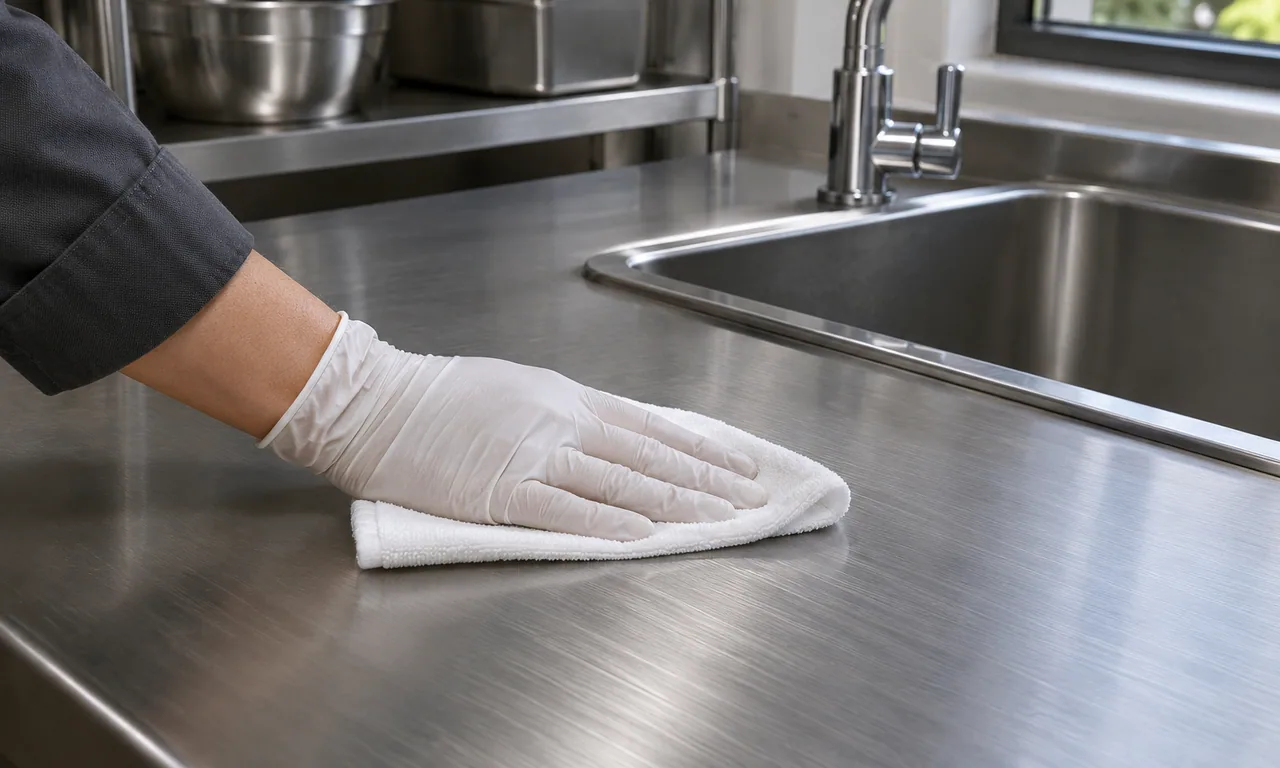
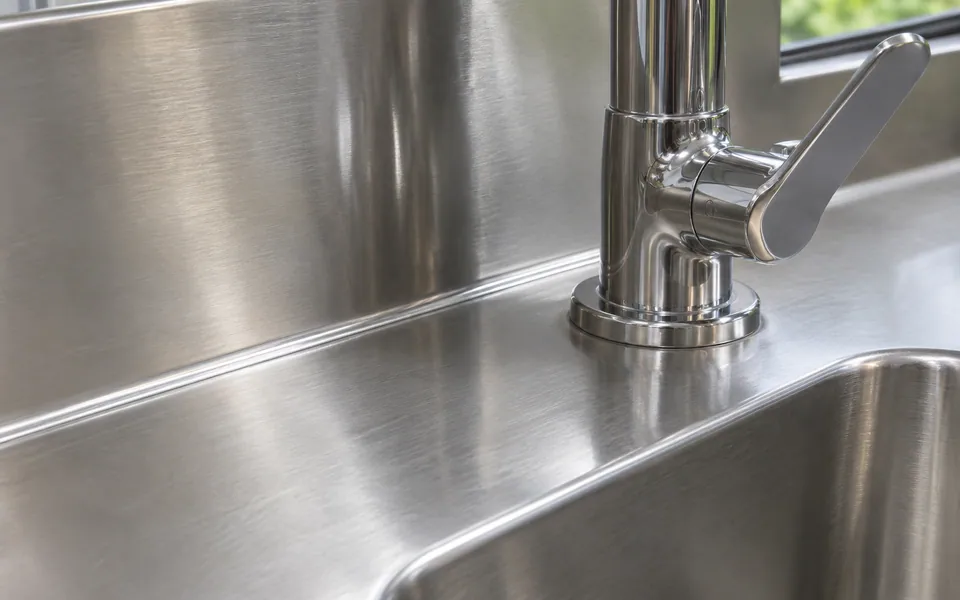
Clean a worktop according to its finish and the manufacturer’s instructions. Around taps, joints and cutouts, check for standing water and accumulated residue. Below the top, remove loose materials and check the underside where they are stored. Plan these checks around the way the station is used so they are possible during a normal shift.
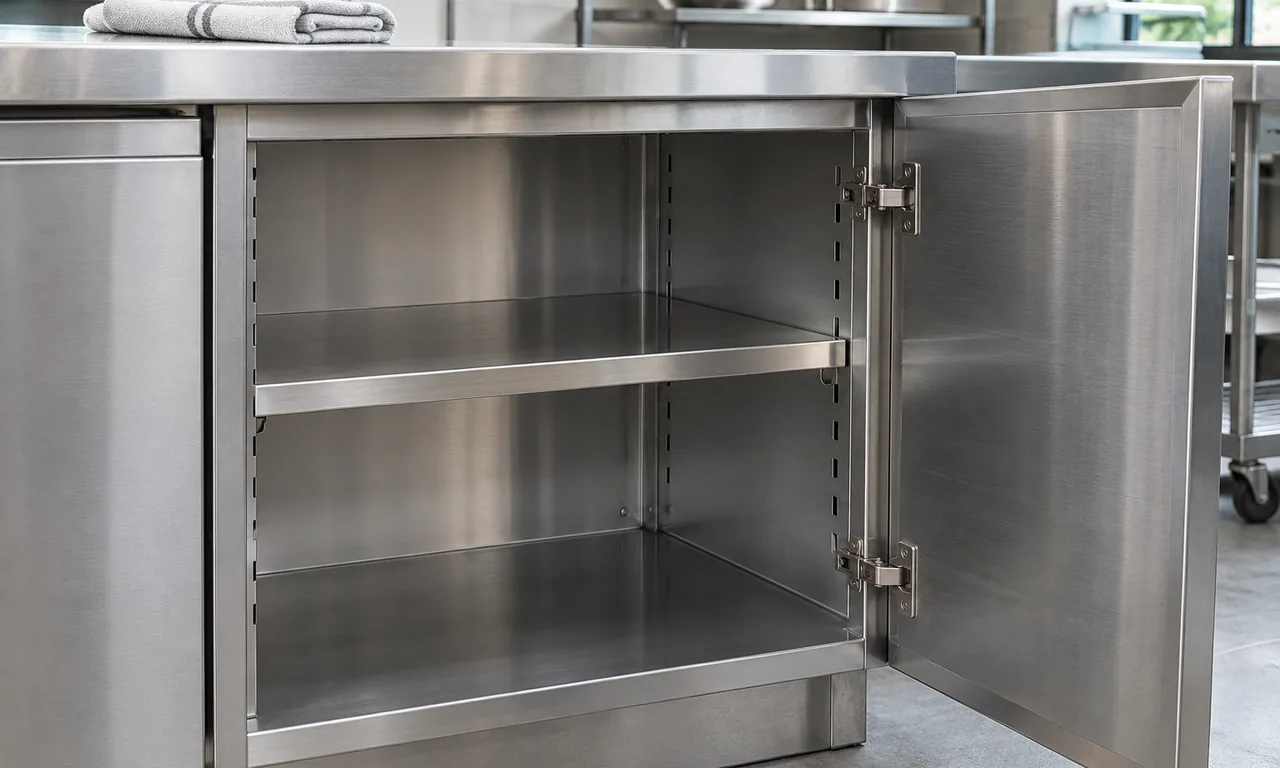
In a cabinet, inspect the rear corners, lower edges and the places where removable shelves meet their supports. Let accessible surfaces dry before returning supplies. If a cabinet has an electrical component, follow its isolation and cleaning instructions. Access panels and controls can require different treatment from the surrounding steel.
Keep moving parts working smoothly
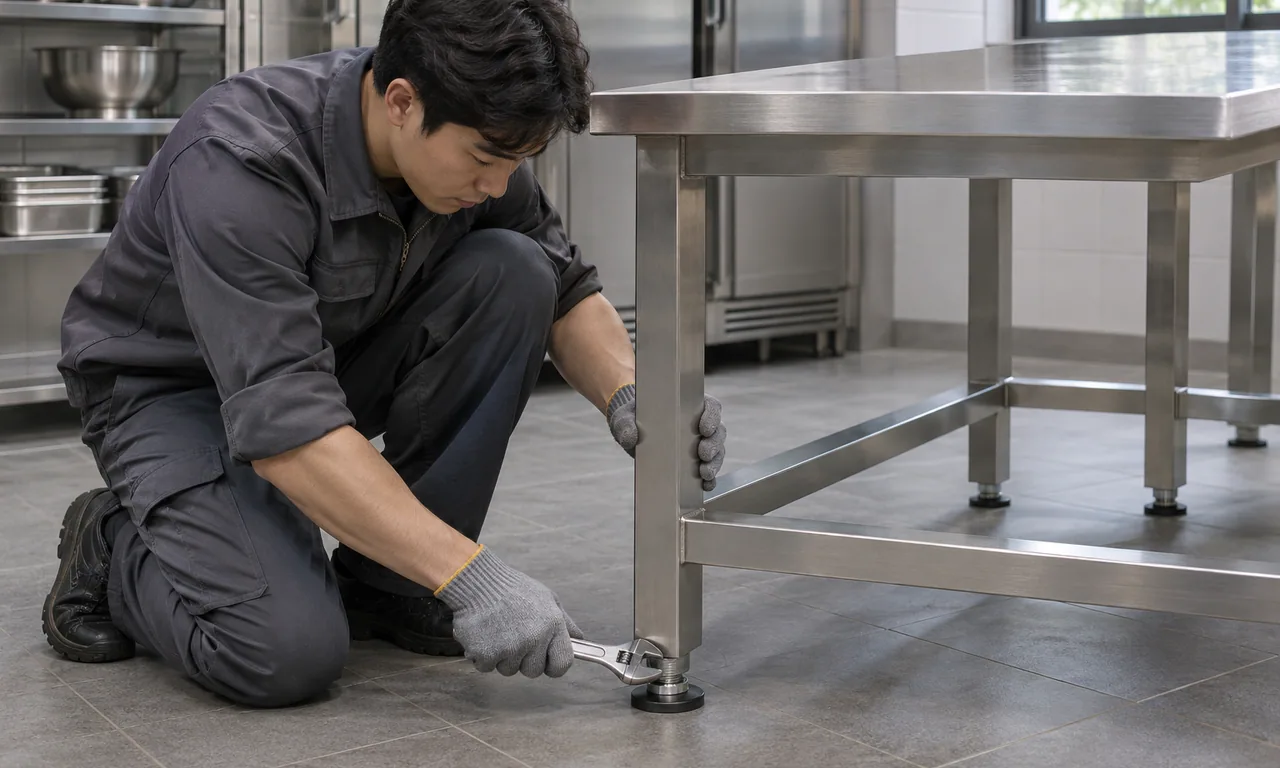
Open each door or drawer through its full travel. Note rubbing, dragging or unusual noise, then check whether the obstruction comes from stored items, misalignment or damaged hardware. Confirm that shelf supports are seated properly before restocking. Check that feet or mounts still carry the unit evenly, particularly after it has been moved or subjected to a change in load.
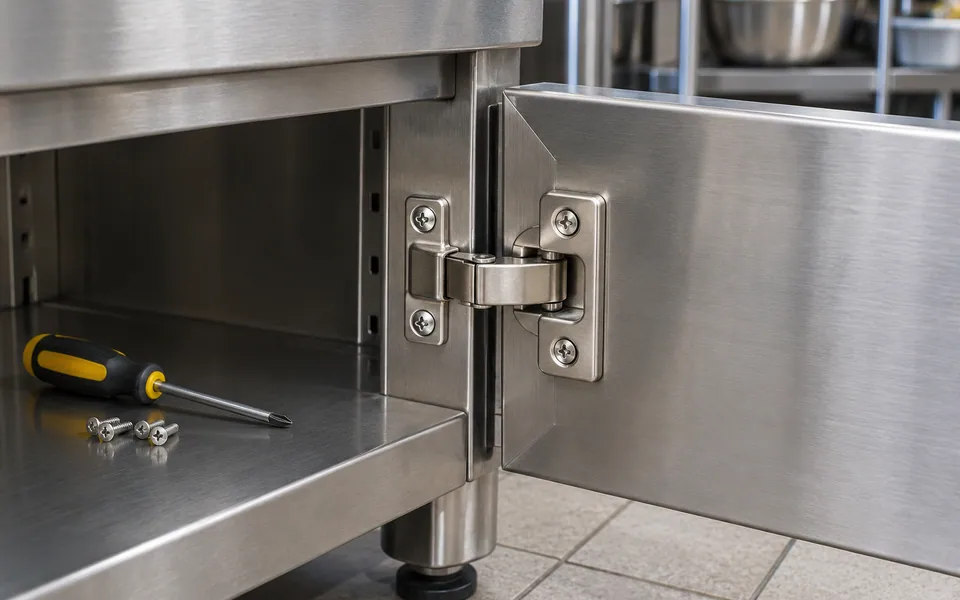
Consult the supplier for any adjustment or replacement method that depends on the model. Preserve the original part details, or record them when ordering a replacement. If the cabinet is used near a busy aisle, arrange maintenance while workers can reach the unit and safely test its full opening.
Look for patterns in wear
Document where dents, stains and water marks appear. A recurring mark around a joint may point to a cleaning or drainage issue that can be corrected at the source. Record the chemicals and tools recently used if the surface changes unexpectedly. If a part has become loose or sharp, have it assessed before the station returns to service.
Review the log when deciding whether to repair, change the use of a unit or specify a replacement. An easily cleaned joint, a more accessible hinge or a removable shelf can make a practical difference to the team. Use observations from the actual station to describe what should change in the next order.
At handover, show staff how to remove and reinstall shelves without damaging nearby surfaces. Identify the fasteners they should be able to reach and the components that require a service technician. Keep a short record of recurring issues, including dates and the location of the cabinet. Comparing stations exposed to different levels of moisture or handling can help the team identify where to change the cleaning routine or specify different hardware.