
Start with the merchandise and store routine
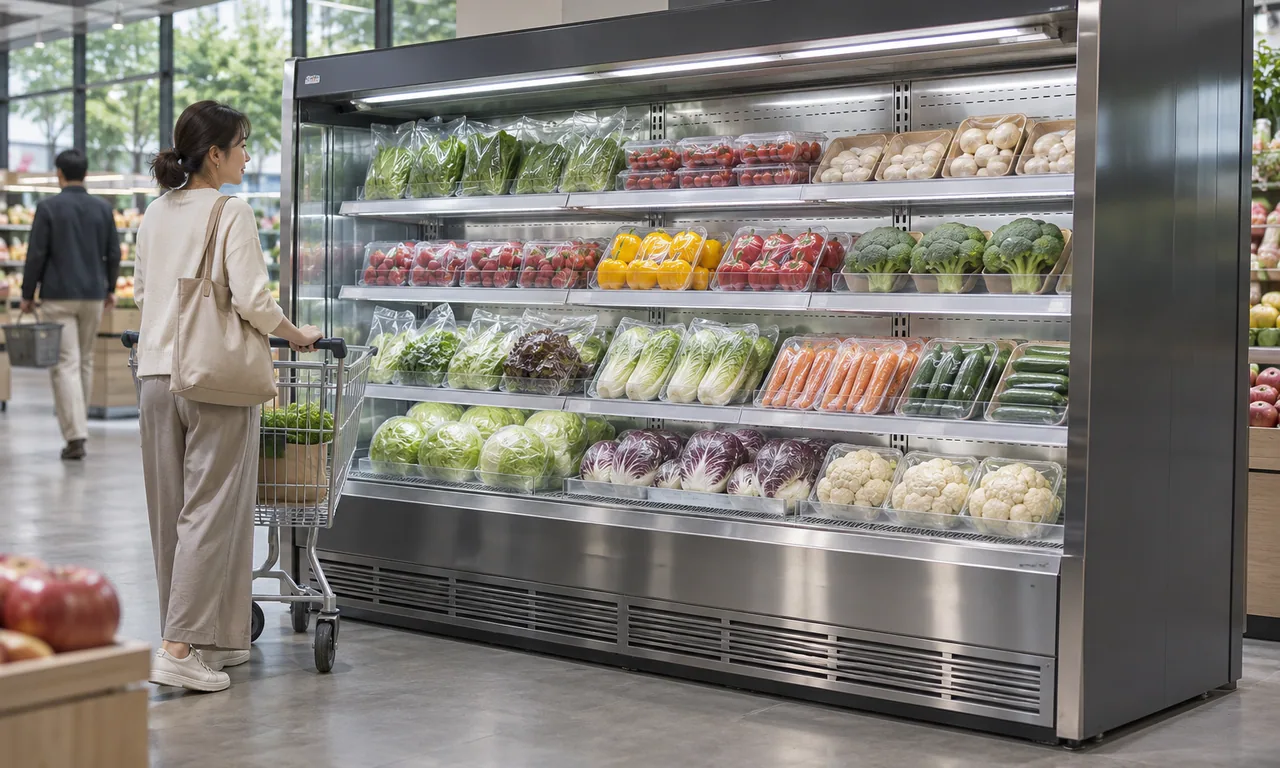
Define the products the unit will display and how staff restock them. Ask for the usable shelf dimensions and the loading line rather than estimating capacity from the case’s outer dimensions. Test whether the packages can be fronted and retrieved without blocking ventilation or reaching behind unrelated stock. Choose the door and shelf configuration around the intended customer and staff movement.
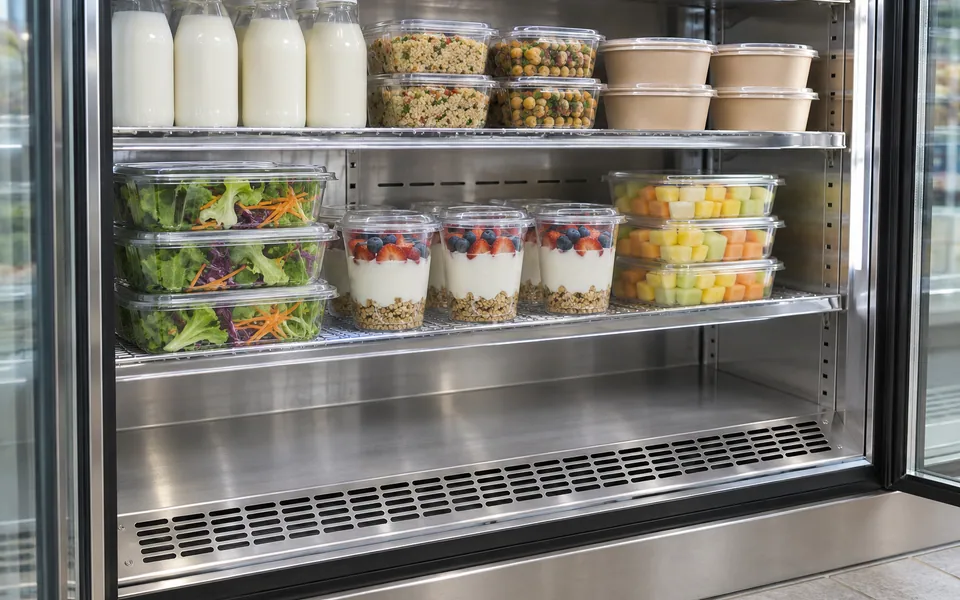
Make a list of the busiest restocking windows. Observe how long doors stay open and how much packaged stock is moved at a time. State which products go into the case already chilled and ask the supplier to identify the conditions under which it is intended to operate.
Compare performance on the same basis
Give each vendor the same placement and operating brief. Ask for its stated ambient conditions, loading pattern and method used to test temperature performance. For energy comparisons, use comparable test conditions and cabinet formats. Lighting, doors, ventilation requirements and equipment schedules can all influence how a unit performs in a specific store.
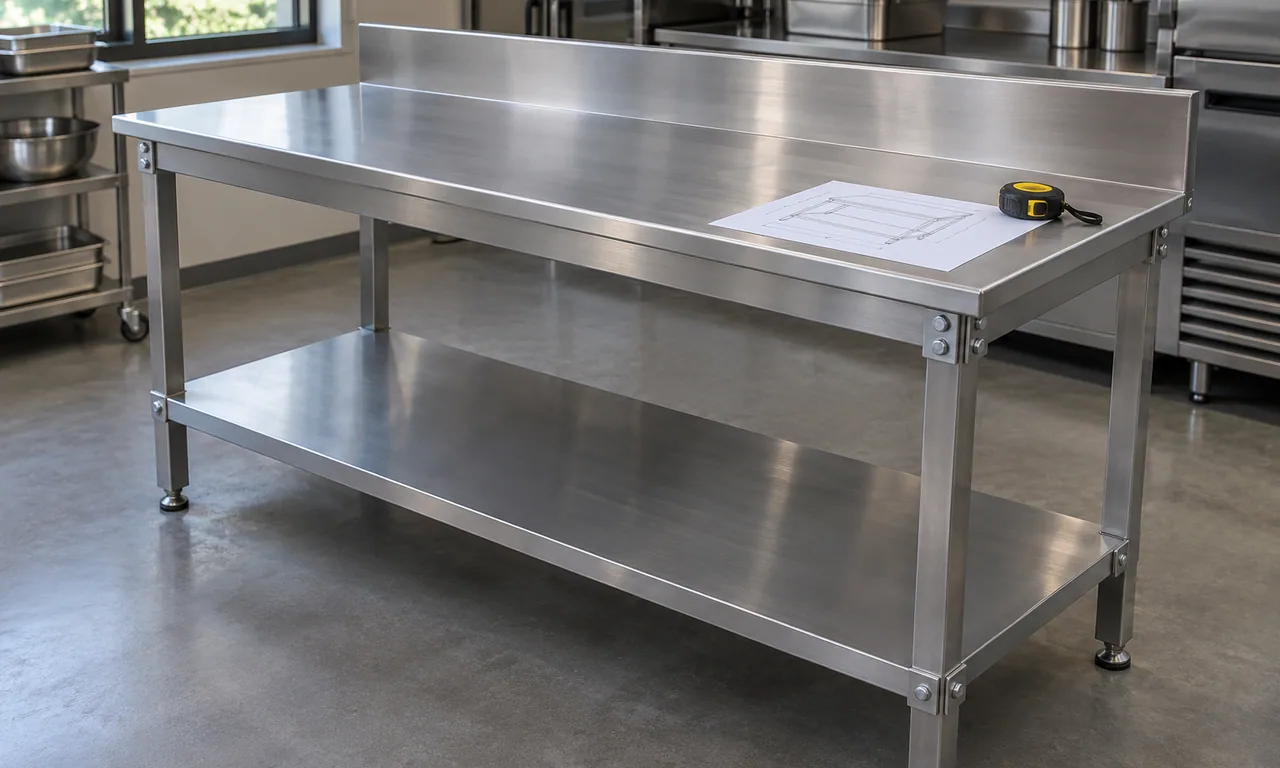
Use the installation drawing to confirm rear and side clearances, power supply and any drainage requirement. Check where heat is rejected and how it will be managed in the room. Confirm that the chosen site leaves access to removable components and that the unit can be brought through doors and tight corners. If installation is coordinated with another trade, agree which connection each party provides.
Evaluate access, cleaning and service
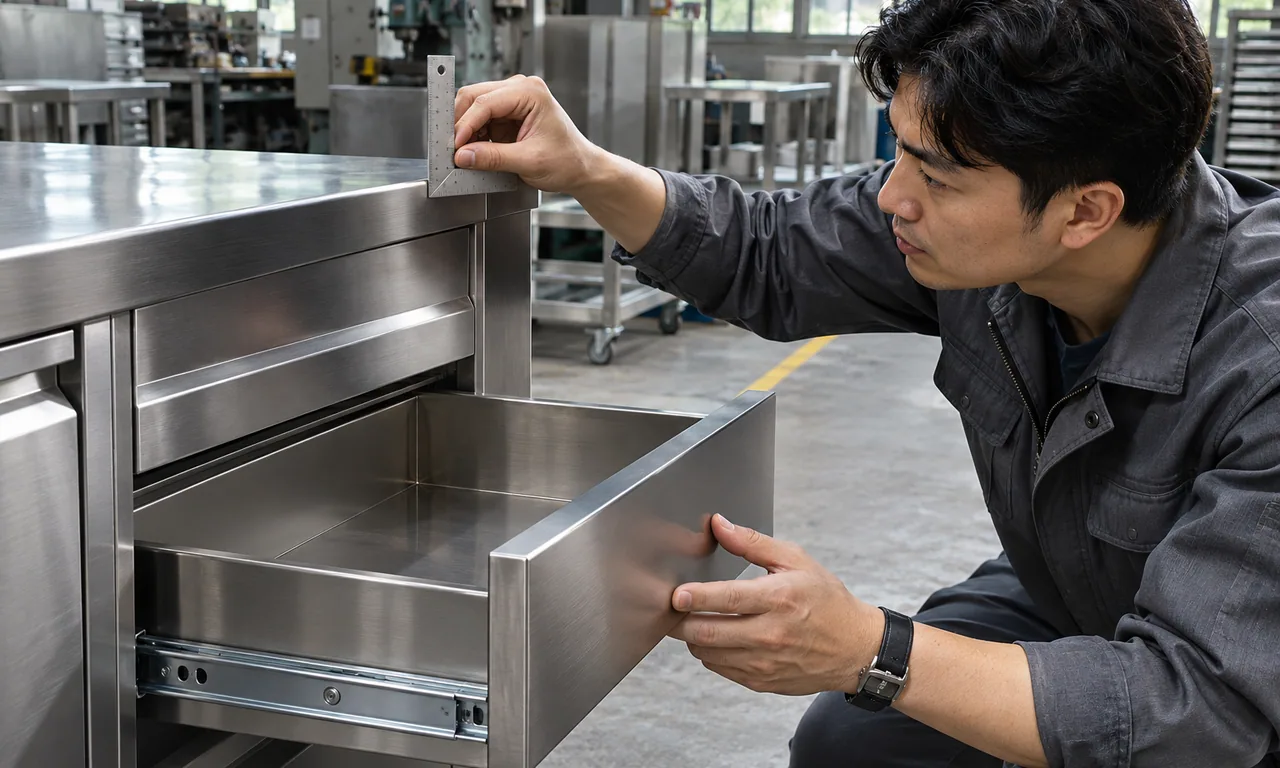
Inspect the handles, door movement, seals and shelf adjustment on a sample where practical. Consider whether staff can remove and clean the items they use most often. Ask for the maintenance schedule and replacement part information. If the shop needs the case running during opening hours, plan how service can reach the unit with minimal disruption.

Prepare for receiving and commissioning
Request the installation and operating documents before the case arrives. Record the model and configuration on the order, and agree who checks it at delivery. Leave enough time to prepare the location, follow commissioning instructions and verify performance for the intended merchandise before putting the case into service. Keep the acceptance record with the manual so the operations team can refer to the approved setup when stock or layout changes.
Ask the vendor which shelf positions and accessories were used for the quoted capacity. Record those assumptions when comparing offers. At handover, brief staff on the approved shelf layout and replenishment routine, including where to find the instructions if the merchandising plan changes. That way the unit can be checked against its intended setup.